
Consistent dried anchovy specifications are the foundation of long-term buyer trust in the dried seafood trade. For export-grade dried anchovies, also known as Ikan Bilis, three parameters decide whether a shipment performs well after sea transit: moisture content, salt level, and size grading. In this guide, HUVY EXIM explains the exact quality control standards used to meet the strict requirements of buyers in Thailand, Malaysia, Singapore, and South Korea.
Why Quality Control Matters in Dried Anchovy Exports
Buyers in these markets look beyond price. They need reliable, repeatable quality that protects shelf life and brand reputation. When moisture exceeds safe limits or size grading is inconsistent, problems appear quickly: mold during sea transit, shorter storage life, customer complaints and possible shipment rejection.
Professional exporters therefore treat moisture, salt and size grading as non-negotiable QC pillars. These parameters are verified under HACCP and ISO 22000 systems and supported by full export documentation, including Health Certificate, Phytosanitary Certificate and Form D / Form AK. Consistent adherence turns one-time orders into long-term supply partnerships.
For the complete product range, see our dried anchovy fish category.
Dried Anchovy Moisture Content: 30% Max
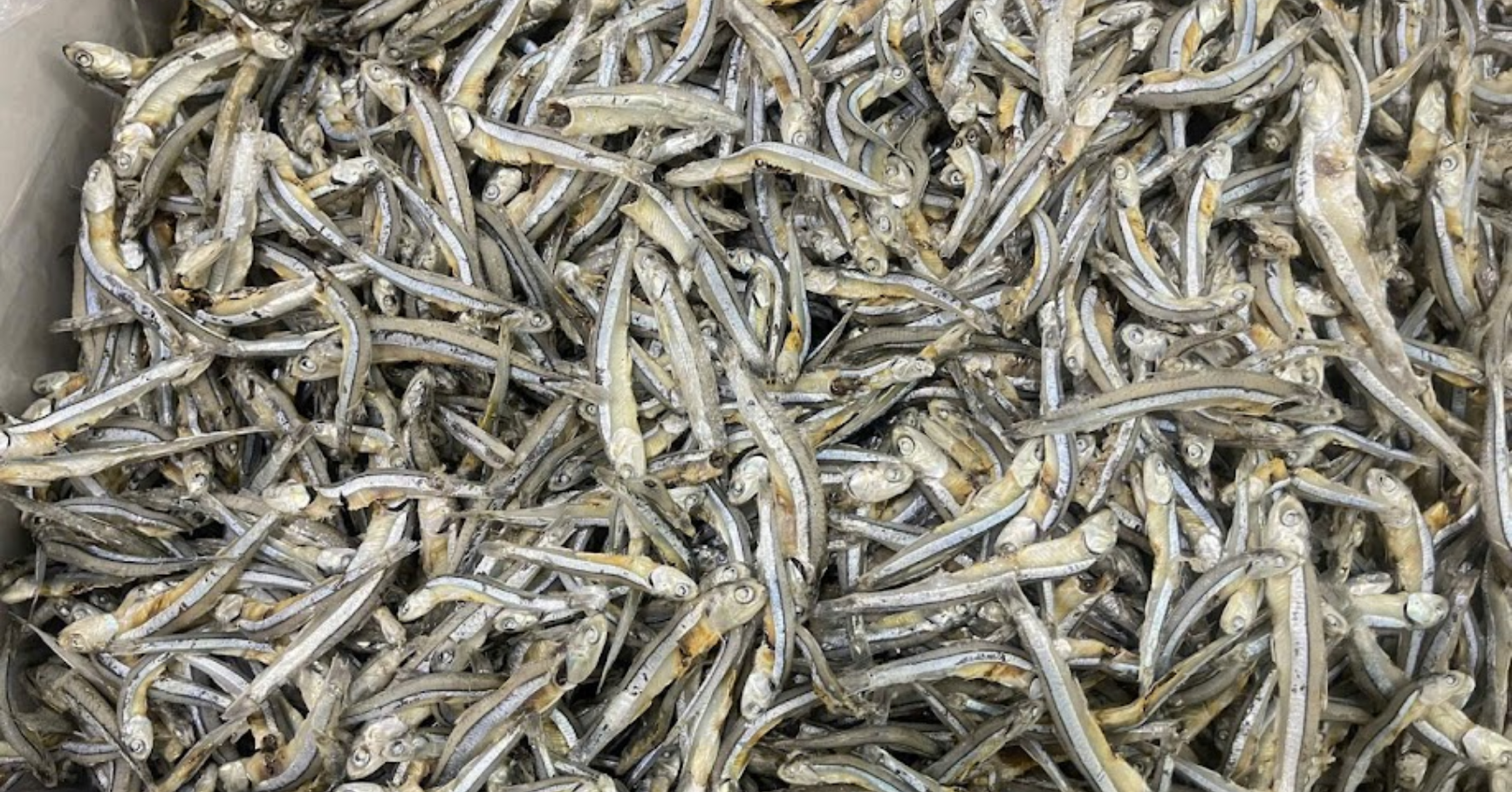
Moisture is the most critical factor for shelf life and safety during sea transit. The export-grade dried anchovy moisture content limit is 30% max. This ceiling balances product texture and safety. Higher moisture creates favorable conditions for microbial growth during the 3–9 day sea transit from Cat Lai Port to Laem Chabang, Port Klang, Singapore or Busan. Keeping moisture at or below 30% preserves the characteristic crispness of Ikan Bilis while extending commercial shelf life.
After harvesting, anchovies undergo controlled solar and hot-air drying in hygienic chambers. Each production batch is laboratory-tested for residual moisture before packing. Only lots that meet the 30% maximum proceed to size grading and final packaging. This lab-tested approach gives importers documented assurance that every carton will perform consistently upon arrival.
Note that 30% max is the export ceiling. Product-specific moisture may be controlled lower depending on form and application, for example 20–26% for premium fillet and headless lines, to achieve a firmer texture and longer shelf life.
Salt Content and Salt Dried Anchovy Grade
Salt enhances natural umami flavor and acts as a natural preservative. The right level balances taste and product stability. For export, the salt dried anchovy grade is specified at 5–8%. This range delivers two essential benefits: it enhances the natural umami flavor preferred in Southeast Asian cuisine and acts as a natural preservative without overpowering the product. Lower-salt versions closer to 5% suit snack and ready-to-eat applications, while levels near 8% provide additional stability for longer storage or further processing into seasonings and pastes.
The 5–8% range is the standard export specification for our salted dried anchovy line. Low-salt variants (3–5% or lower) are available on request for snack, retail and health-conscious applications, and can be customized to meet specific market requirements.
Malaysian and Singaporean buyers often prefer the classic Ikan Bilis profile within this 5–8% window. Thai and Korean buyers may request slight adjustments depending on end use. Reputable suppliers can fine-tune salt levels within the approved range while maintaining full traceability and documentation.
Size Grading: The Key to Commercial Value
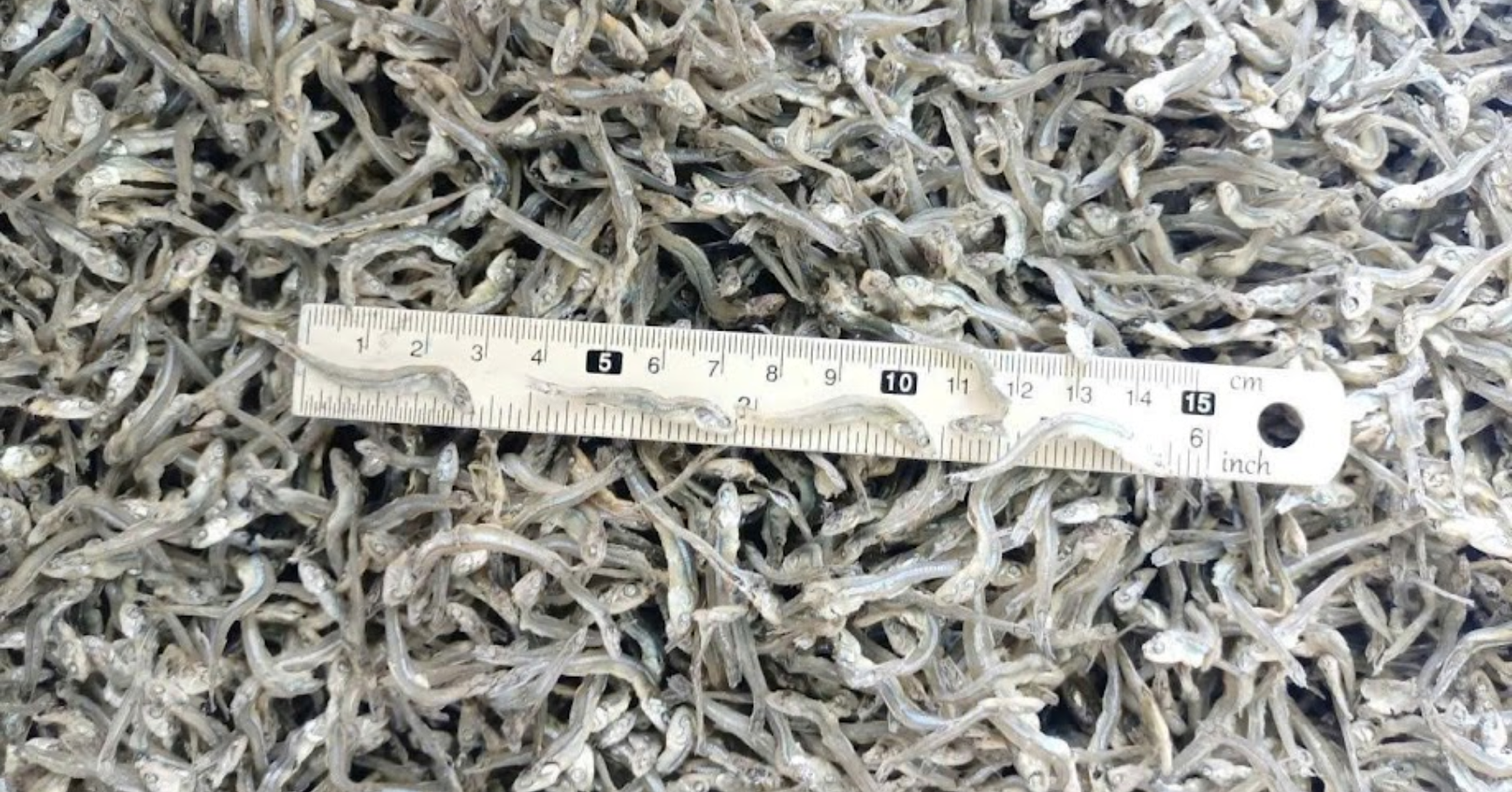
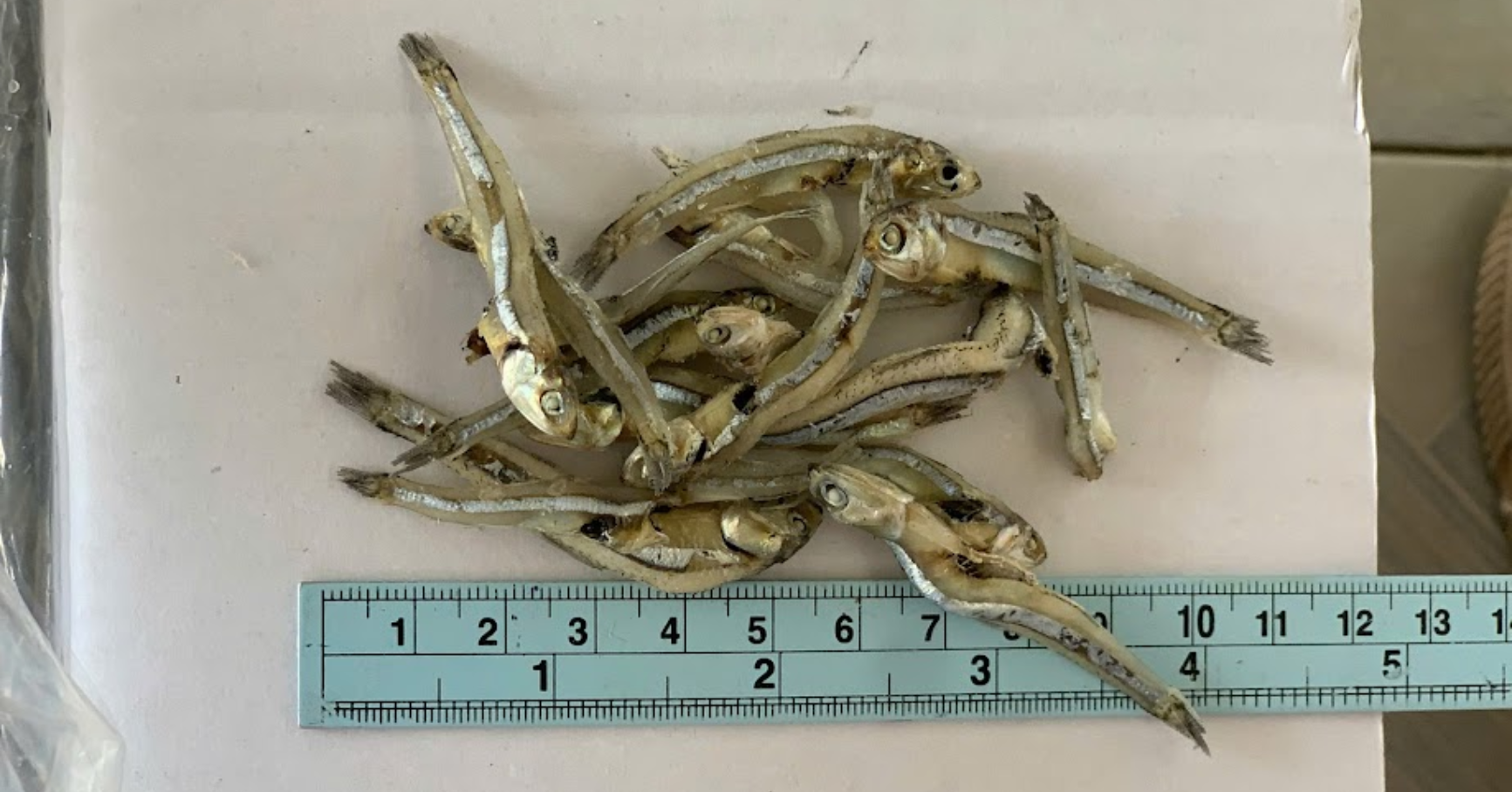
Accurate size grading determines pricing, packing density and end-use suitability for retail or food-service applications. Dried anchovies are graded into precise commercial sizes: 1–2 cm, 2–3 cm, 4–6 cm and 5–7 cm. Among these, the 2–3 cm and 4–6 cm grades are particularly popular because they offer an excellent balance of appearance, yield and versatility.
Size availability varies by product form:
- Whole: 1–2 cm, 2–3 cm, 4–6 cm, 5–7 cm
- Headless: 4–6 cm, 5–7 cm
- Fillet: 3–4 cm, 3–5 cm
For buyers who require a specific band such as dried anchovy size 3-5cm, custom sorting can be arranged once technical requirements and order volume are confirmed.
All sizes are available in three processing styles: whole, headless and fillet. Color variants include white, grey and yellow, allowing buyers to match local market preferences. Accurate size grading directly influences pricing, packing density and final product presentation, which is why professional exporters invest in multi-stage sorting before packing.
Complete Dried Anchovy Specifications Overview
The table below summarizes the full commercial dried anchovy specifications used for export contracts and RFQs.
| PARAMETER | SPECIFICATION |
| Types | Whole, Headless, Fillet |
| Color | White, Grey, Yellow |
| Size | 1–2 cm, 2–3 cm, 4–6 cm, 5–7 cm; custom bands on request |
| Moisture | 30% max (product-specific lower ranges available) |
| Salt | 5–8% standard; low-salt variants on request |
| Packing | 10–13 kg/carton or customized per customer request |
| MOQ | 6 MT; monthly capacity 6–19 MT |
These specifications form the commercial baseline for export contracts. Custom packing and minor adjustments can be arranged once technical requirements are confirmed.
Anchovy Quality Control Process: Five Steps
Every shipment follows a structured anchovy quality control flow to ensure consistent results across containers.
- Sourcing: Direct procurement from Vietnam’s coastal fishing fleets with full origin traceability.
- Controlled drying: Solar and hot-air dehydration under hygienic conditions to reach the target moisture level.
- Laboratory testing: Moisture, salt and microbiological analysis on every batch.
- Precision size grading: Multi-stage sorting into the standard commercial sizes.
- Export packing and documentation: Seaworthy cartons plus complete customs paperwork, including Form D / Form AK, Health Certificate, Phytosanitary Certificate and Bill of Lading.
This systematic flow ensures that every container meets the same quality benchmark, shipment after shipment. For a detailed walkthrough of each stage, see our five-step processing from catch to carton.
Practical Tips for Importers When Checking Specs
When evaluating samples or receiving shipments, focus on three quick checks. First, confirm moisture is documented at or below 30%. Second, verify salt content falls within the 5–8% range for standard grades or the agreed low-salt range for custom orders. Third, cross-check actual size distribution against the ordered grade, especially if you have requested a custom band such as 3–5 cm for fillet or a specific whole fish grade. Request the latest laboratory report and packing list before finalizing the proforma invoice. Clear communication of these parameters at the RFQ stage prevents misunderstandings and accelerates contract confirmation.
Conclusion
Reliable dried anchovy supply rests on three measurable pillars: moisture controlled at 30% maximum, salt held between 5–8% for standard grades, and accurate size grading across the 1–7 cm commercial ranges. When these dried anchovy specifications are applied consistently under HACCP and ISO 22000 systems, buyers gain predictable product performance, reduced risk and stronger confidence in their Vietnamese supplier. For detailed technical specifications, current packing options or a formal proforma invoice tailored to your discharge port, contact our trade desk. We are ready to support your next bulk requirement with full documentation and laboratory-verified quality.

Mr. Le Nguyen Quoc Hung
I am Le Nguyen Quoc Hung, the legal representative of HUVY IMPORT EXPORT COMPANY LIMITED (HUVYEXIM), a Vietnam-based import-export company. I am committed to developing reliable business relationships with international buyers, delivering export solutions tailored to our partners’ needs, and building long-term partnerships in global markets. Through HUVYEXIM, I aim to connect Vietnamese products with international markets while maintaining a strong focus on professionalism, product quality, and customer satisfaction.