
Color in dried anchovies is more than appearance; it reflects differences in processing, flavor, and end-use. In this guide, HUVY EXIM compares dried white anchovy and dried black anchovy, covering key differences, specifications, and regional preferences so buyers can choose the right grade for their market.
Overview of Types of Dried Anchovies
Dried anchovies, commonly known as Ikan Bilis, are available in several color grades on the international market. The most frequently traded types of dried anchovies include white, yellow, grey and darker (black) variants, along with silver anchovy dried products.
Color differences usually result from the species used, drying method, exposure to sunlight and post-harvest handling. Among these, dried white anchovy and dried black anchovy represent two distinct commercial options that serve different buyer preferences and applications.
For the complete product range by form and size, see ourdried anchovy fish category.
Dried White Anchovy: Characteristics & Specifications
Dried white anchovy is valued for its clean appearance and milder flavor profile. Below are the key characteristics and technical specifications that define this grade in the export market.
Appearance, Color and Texture
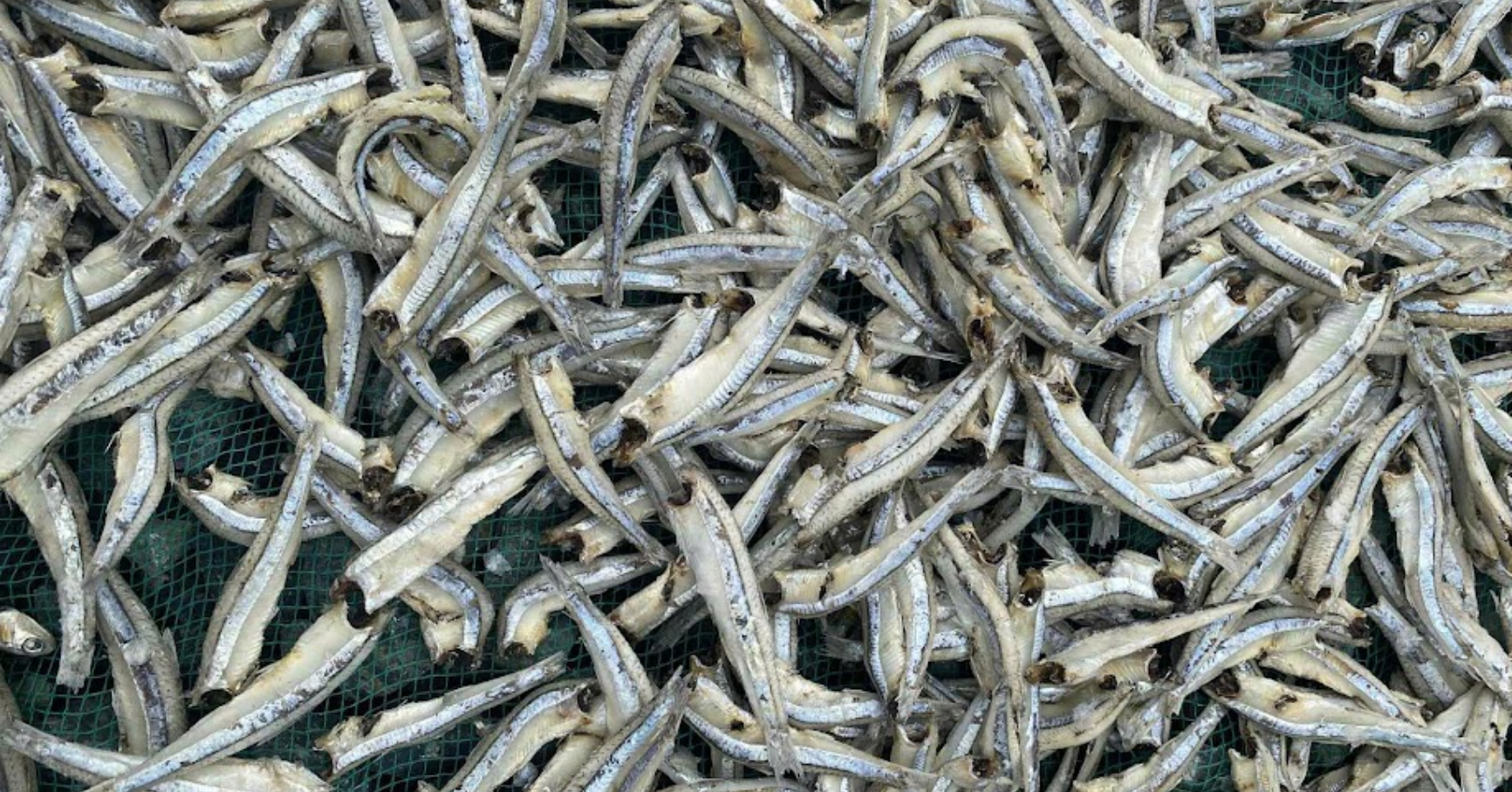
Dried white anchovy is characterised by a clean, natural white to off-white colour and a bright appearance. The surface is typically free from excessive dark spots, giving the product a uniform and attractive look that is preferred for retail packaging and light-coloured dishes.
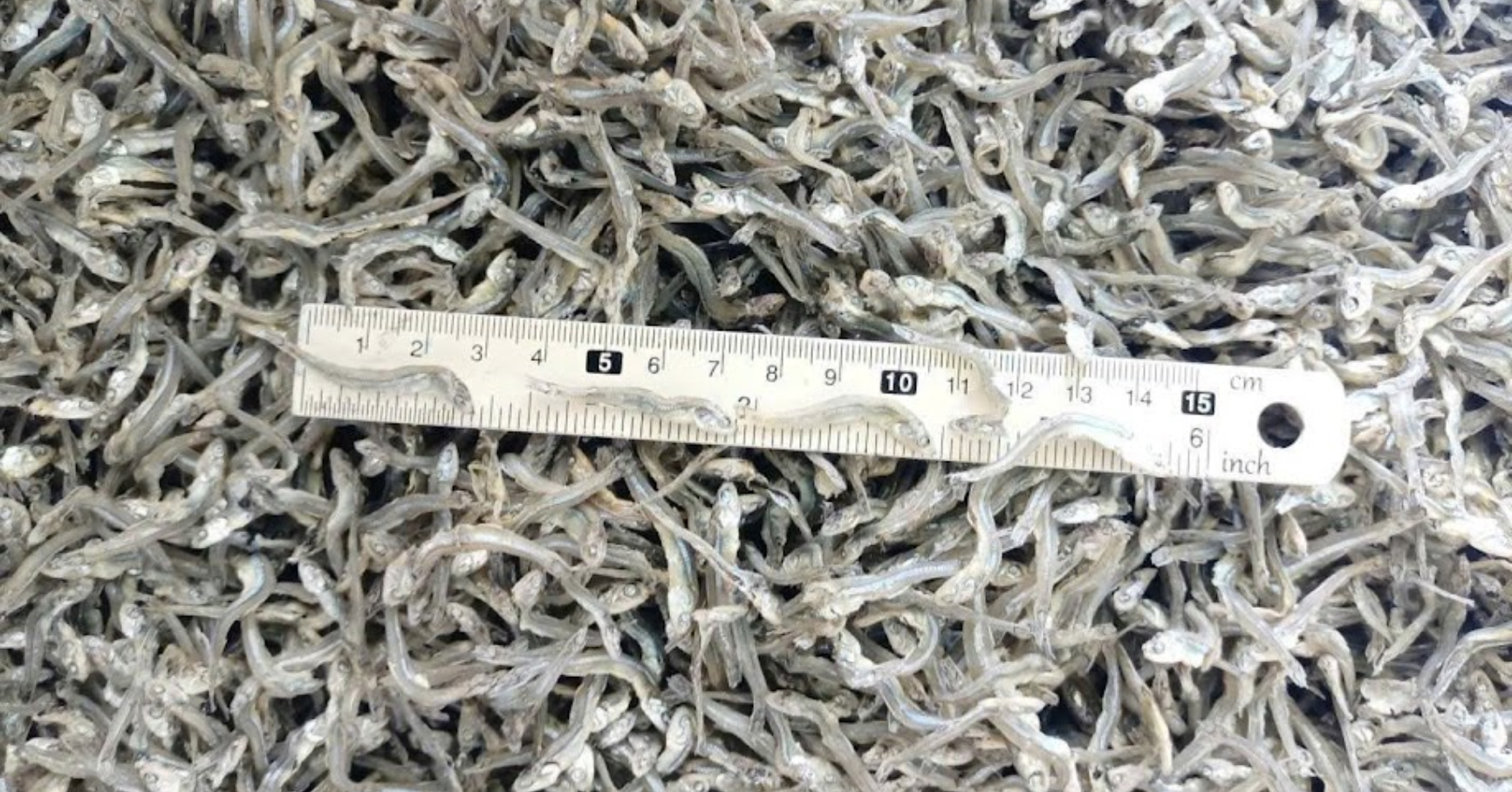
It is available in standard commercial sizes of 1–2 cm, 2–3 cm, 4–6 cm and 5–7 cm for the whole form, with moisture content controlled at 30% maximum and salt content between 5–8%.
Processing Method and Flavor Profile
White-grade anchovies are usually processed under controlled drying conditions that limit excessive browning. The result is a milder, cleaner umami flavour and a crisp texture that works well in soups, snacks, seasoning blends and ready-to-eat applications. Many buyers request dried white anchovy when visual appeal and a lighter taste profile are important.
Dried Black Anchovy: Characteristics & Market Position
Dried black anchovy offers a deeper color and more intense flavor. This section outlines its main characteristics and the market positions it typically occupies.
Appearance and Processing Differences
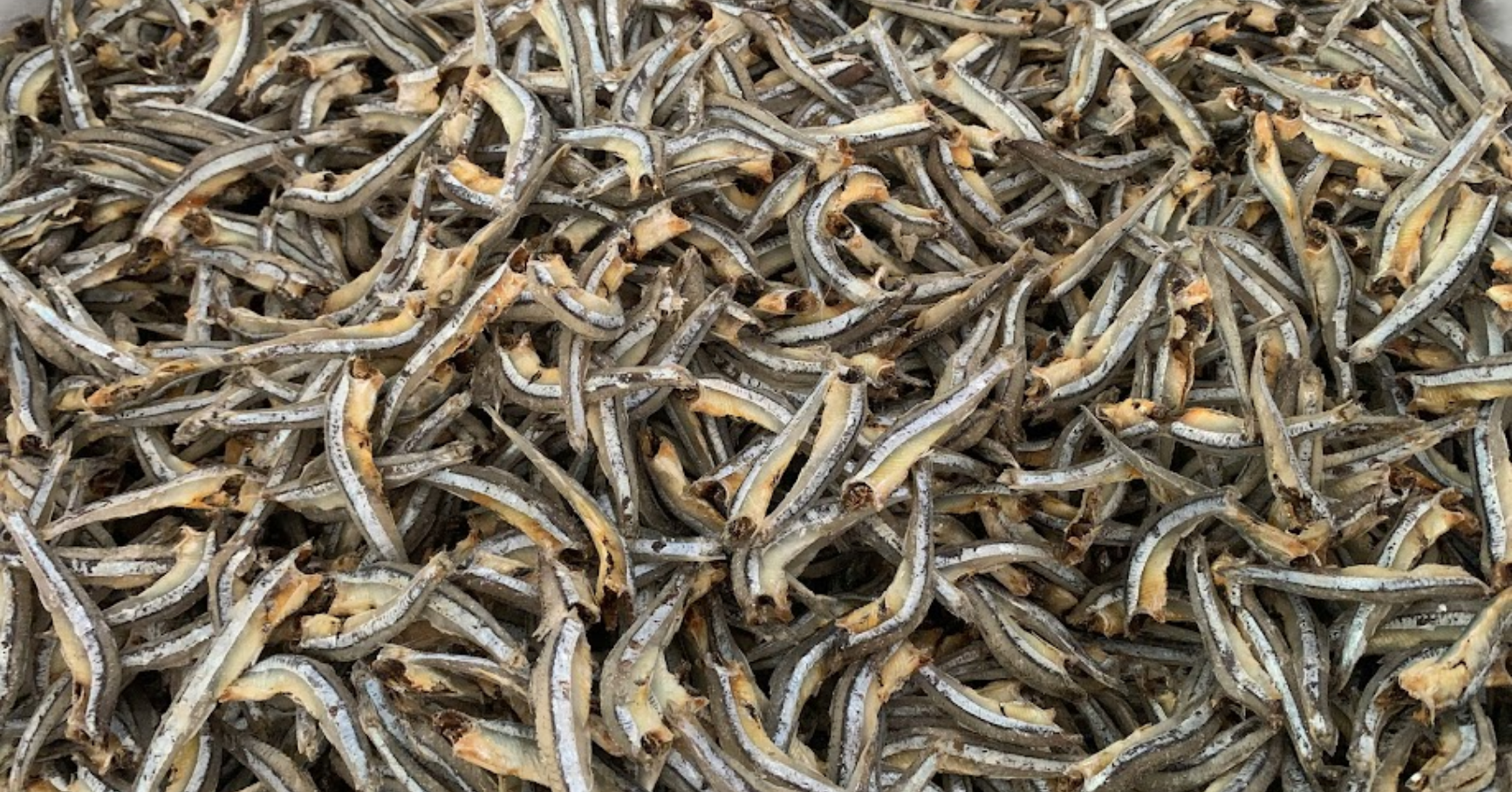
Dried black anchovy, sometimes referred to as dark or grey-black grade, shows a deeper colour ranging from dark grey to nearly black. This colour develops naturally through longer sun exposure or traditional drying methods. The product often has a more intense visual character compared with the white grade.
Flavor and Typical Applications
The darker colour is usually accompanied by a stronger, more concentrated seafood flavour. Dried black anchovy is frequently chosen for traditional recipes, fermented products, darker sauces and applications where a robust taste is desired. It remains a regular item in bulk orders for certain regional markets.
White Anchovy vs Black Anchovy: Side-by-Side Comparison
The table below compares dried white anchovy and dried black anchovy across the most important commercial parameters, helping buyers quickly identify the practical differences.
| PARAMETER | DRIED WHITE ANCHOVY | DRIED BLACK ANCHOVY |
| Colour | Natural white to off-white | Dark grey to black |
| Flavor | Milder, clean umami | Stronger, more concentrated |
| Visual appeal | High (preferred for retail) | Traditional, robust appearance |
| Common processing | Controlled drying | Longer sun exposure, traditional |
| Typical use | Snacks, light soups, seasoning | Traditional dishes, darker sauces |
Size Grading and Quality Parameters
Both colour grades can be supplied in the same commercial size ranges, but the available bands depend on product form:
- Whole: 1–2 cm, 2–3 cm, 4–6 cm, 5–7 cm
- Headless: 4–6 cm, 5–7 cm
- Fillet: 3–4 cm, 3–5 cm
Moisture is maintained at 30% maximum and salt content at 5–8% for both white and black grades. Consistency in size grading and cleanliness remains a key quality control point for both white anchovy vs black anchovy selections. For full technical parameters, see our moisture, salt and size specifications.
Market Preferences by Region
Buyer preferences vary by market:
- Thailand and Singapore: Dried white anchovy and silver anchovy dried grades are often favoured for retail packs and light-coloured dishes because of their clean appearance.
- Malaysia: Both white and darker grades are regularly traded. Selection depends on the final product, whether Ikan Bilis snacks or traditional cooking.
- South Korea: Demand tends to focus on consistent size and low moisture. Colour preference is specified case by case.
Understanding these regional tendencies helps exporters and importers align product grades with actual market demand.
How to Choose the Right Type for Your Business
When deciding between dried white anchovy and dried black anchovy, consider the end use first. Retail packaging and products that require a light visual appearance usually perform better with the white grade. Traditional recipes or applications needing a stronger flavour profile may suit the black grade.
Always confirm colour grade, exact size range, moisture and salt content in the RFQ. Clear specifications reduce discrepancies and support smoother contract execution.
Quality Control Points for Both Types
Regardless of colour, professional exporters apply the same core quality standards: moisture controlled at 30% maximum, salt content between 5–8%, accurate size grading and proper hygiene throughout processing. These parameters are verified under HACCP and ISO 22000 systems, and every batch follows the same five-step processing sequence. Laboratory testing and documented food-safety systems provide additional assurance for international buyers.
Frequently Asked Questions About White and Black Anchovy
Buyers often ask whether colour affects quality, shelf life or pricing. The answers below cover the points that most influence grade selection for different markets.
Is white anchovy better than black anchovy?
Neither grade is inherently better. White anchovy is preferred for retail packs and light dishes where appearance matters. Black anchovy is chosen for traditional recipes and applications needing a stronger, more concentrated flavour. The right choice depends on end use and market preference.
Does colour affect moisture and salt specifications?
No. Both white and black grades follow the same core specifications: moisture at 30% max and salt at 5–8%. Colour is a result of species, drying method and sun exposure, not a difference in preservation standards.
Which grade is preferred in Malaysia?
Malaysian buyers trade both grades. White and silver anchovy dried grades are common for snack and retail products, while darker grades are used for traditional cooking and stronger-flavoured dishes. Selection is usually driven by the final product.
Can I order custom size bands for white or black anchovy?
Yes. Standard bands vary by form: whole 1–2, 2–3, 4–6 and 5–7 cm; headless 4–6 and 5–7 cm; fillet 3–4 and 3–5 cm. Custom bands can be arranged once technical requirements and order volume are confirmed.
Is silver anchovy dried the same as white anchovy?
Silver anchovy dried is closely related to the white grade and is often traded under the same visual profile. The term usually refers to the natural silvery appearance of white-grade anchovy after controlled drying. Buyers should confirm colour grade and species in the RFQ.
Conclusion
Dried white anchovy offers a clean look and milder flavor ideal for retail and light dishes, while dried black anchovy delivers a stronger taste suited to traditional recipes. Choosing the right grade based on market demand and end-use improves product performance. For current colour grades, detailed specifications or a proforma invoice tailored to your discharge port, contact our trade desk.

Mr. Le Nguyen Quoc Hung
I am Le Nguyen Quoc Hung, the legal representative of HUVY IMPORT EXPORT COMPANY LIMITED (HUVYEXIM), a Vietnam-based import-export company. I am committed to developing reliable business relationships with international buyers, delivering export solutions tailored to our partners’ needs, and building long-term partnerships in global markets. Through HUVYEXIM, I aim to connect Vietnamese products with international markets while maintaining a strong focus on professionalism, product quality, and customer satisfaction.