
Processing style strongly affects the appearance, convenience, and market acceptance of dried anchovies. In this guide, HUVY EXIM compares head-on, headless dried anchovy, and fillet forms so importers can choose the most suitable option for their target market and end-use.
Understanding Processed Dried Anchovy Types
Dried anchovies are commonly supplied in three main processing styles: head-on (whole), headless, and fillet. Each style offers different advantages in convenience, edible yield and visual presentation.
According to standard export specifications, processed dried anchovy is available as Whole, Headless or Fillet, with size grades from 1–2 cm to 5–7 cm depending on form, moisture content controlled at 30% maximum and salt content between 5–8%. Selecting the right processing type is an important commercial decision for buyers. For the full range, see our dried anchovy fish category.
Head-On Dried Anchovy: Traditional Form
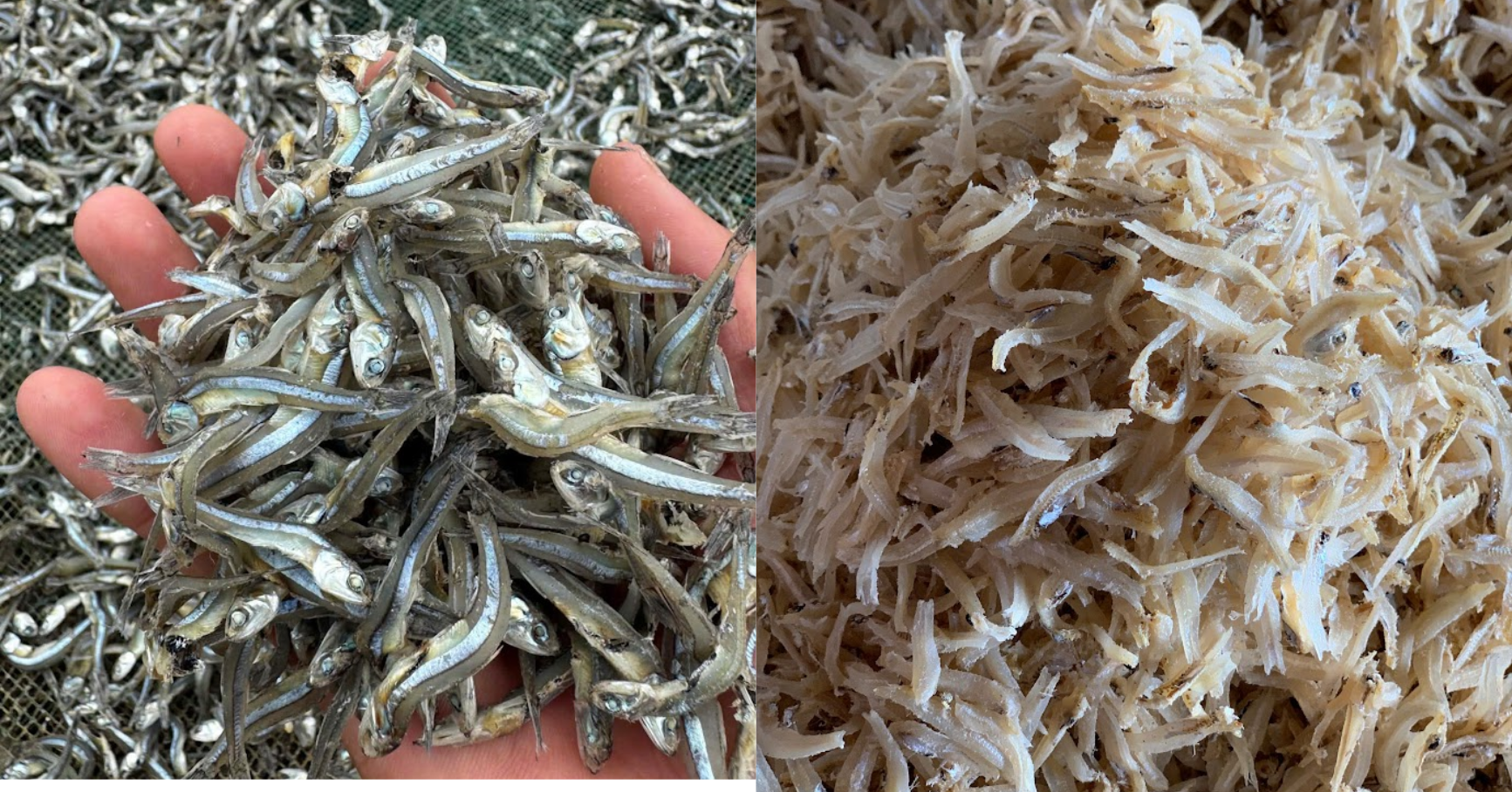
Head-on dried anchovy keeps the complete fish, including the head, and is preferred in traditional cooking segments.
Characteristics and Appearance
Head-on dried anchovy retains the complete fish, including the head. This form preserves the natural appearance of the anchovy and is associated with traditional processing methods. The product is graded by size (1–2 cm, 2–3 cm, 4–6 cm, 5–7 cm) and maintains the standard moisture (30% max) and salt (5–8%) parameters used for export. Color options for this form are typically white and grey.
Typical Applications and Market Preference
Head-on dried anchovy is frequently used in home cooking and traditional recipes where the whole fish is preferred. Some regional markets still request this style for authenticity and familiar presentation. It remains a regular item in bulk orders when buyers prioritise natural form over convenience.
Headless Dried Anchovy: The Practical Choice
Headless dried anchovy is the most widely traded form thanks to higher edible yield and greater convenience for both manufacturers and consumers.
Advantages of Headless Processing
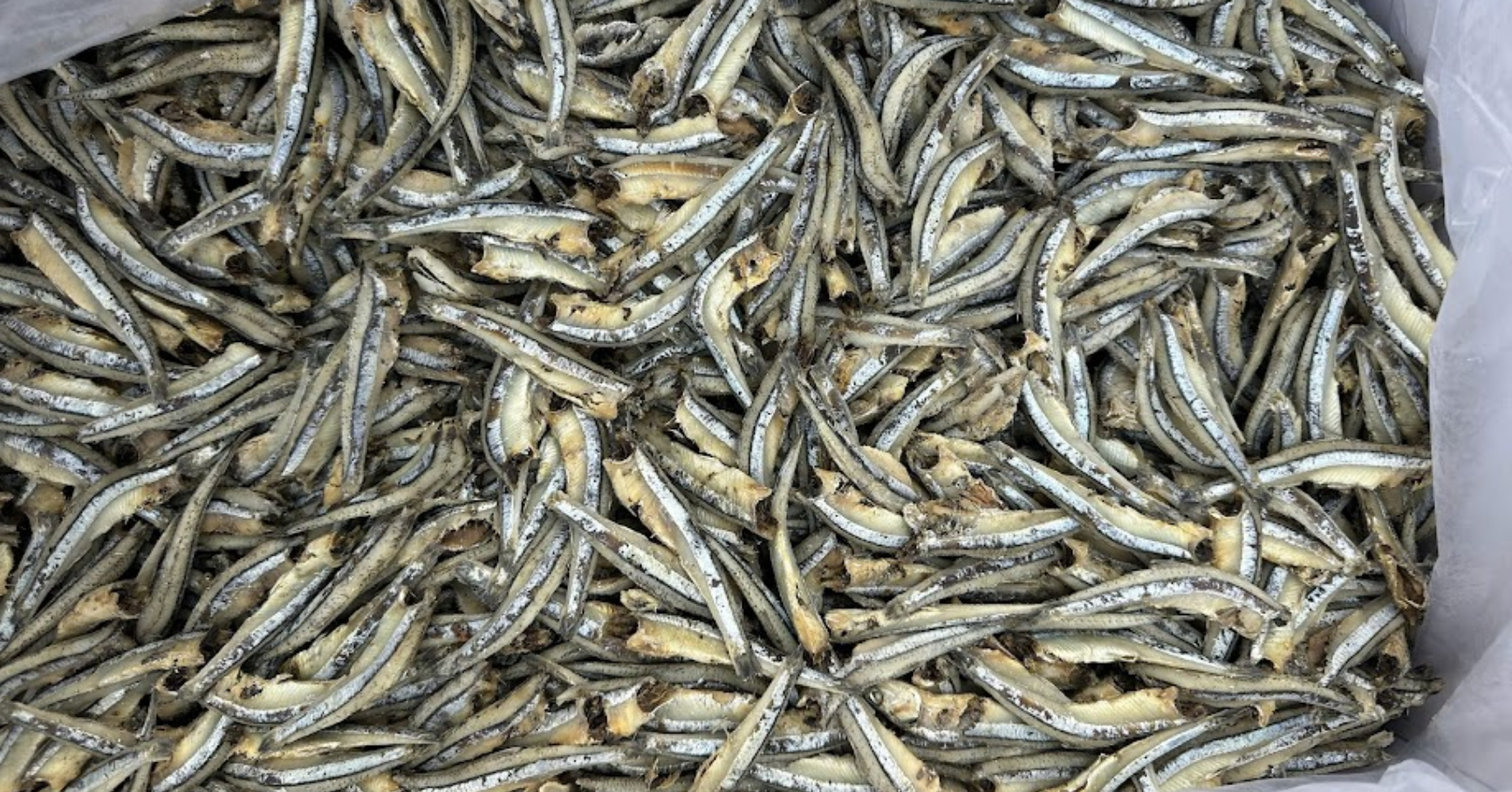
Headless dried anchovy, also described as dried anchovy without head, is produced by removing the head before or after drying. This style increases the edible portion, improves convenience for manufacturers and end consumers, and usually results in a cleaner appearance with less bitterness in the final dish.
Many importers prefer headless dried anchovy because it reduces preparation time and offers better yield in food production. It is currently one of the most widely traded forms in the export market.
Specifications and Quality Points
Headless dried anchovy follows the same core quality standards as other forms, with size grading adapted to the larger raw material required for head removal. Available bands are 4–6 cm and 5–7 cm, with moisture maximum 30% and salt content of 5–8%. Color options are white and grey. Consistent size grading and cleanliness remain essential quality control points. For full technical parameters, see our moisture, salt and size specifications.
Dried Anchovy Fillet: Higher Value Option
Dried anchovy fillet undergoes further processing to remove the head and bone, creating a premium, ready-to-use product.
Processing and Product Features
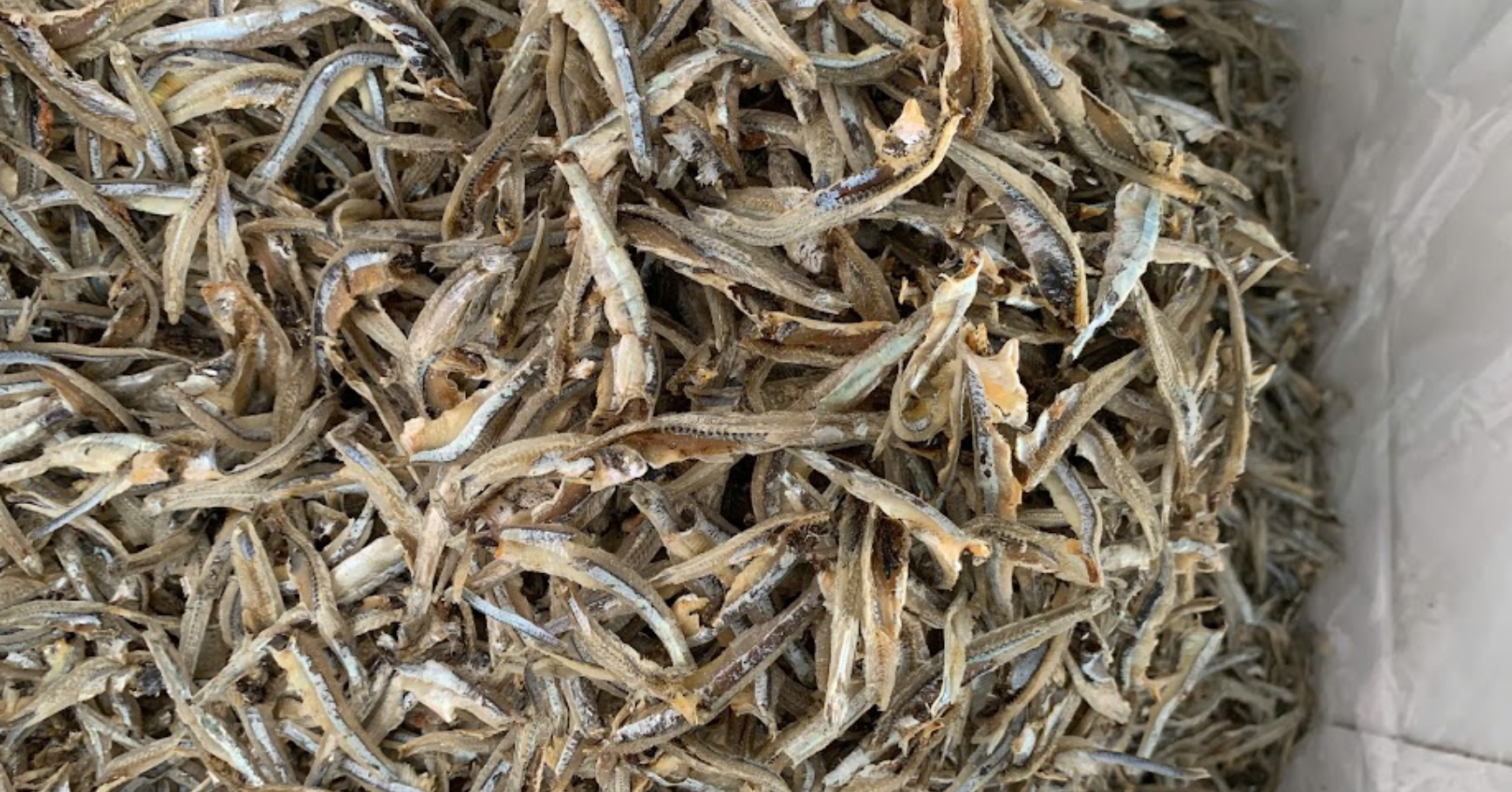
Dried anchovy fillet, also marketed as skinless or boneless anchovy in some destinations, is produced by butterfly-splitting the fish and removing the head, spine and internal organs. This creates a higher-value product with improved convenience and a more refined presentation. Available size bands are 3–4 cm and 3–5 cm, with moisture maximum 30% and salt content of 5–8%. Color options include white, grey and yellow.
Target Applications
Anchovy fillets dried are commonly used in snack production, ready-to-eat products, seasoning blends and higher-end food manufacturing. Markets that prioritise convenience and visual quality often show stronger demand for this style.
Side-by-Side Comparison of Processing Types
The table below summarises the key differences between head-on, headless and fillet dried anchovy for easy comparison.
| PARAMETER | HEAD-ON DRIED ANCHOVY | HEADLESS DRIED ANCHOVY | DRIED ANCHOVY FILLET |
| Form | Whole fish with head | Head removed | Butterfly split, head and bone removed |
| Size bands | 1–2, 2–3, 4–6, 5–7 cm | 4–6, 5–7 cm | 3–4, 3–5 cm |
| Color options | White, grey | White, grey | White, grey, yellow |
| Convenience | Lower | High | Highest |
| Edible yield | Standard | Higher | Highest |
| Visual appeal | Traditional | Clean and practical | Premium, refined |
| Typical price level | Standard | Mid-range | Higher |
| Common markets | Traditional segments | Broad retail and industrial | Premium and convenience markets |
All three forms share the same core QC parameters: moisture 30% max, salt 5–8%, MOQ 6 MT, packing 10–13 kg per carton or customized.
Which Type Suits Which Market?
Market preferences vary across Thailand, Malaysia, Singapore, South Korea and industrial buyers. Choosing the right style improves product fit and buyer satisfaction.
- Thailand, Malaysia and Singapore: Headless dried anchovy is widely accepted for both retail packaging and industrial use due to its convenience and good yield. Head-on products still serve traditional cooking segments.
- South Korea and higher-value markets: Demand often leans toward cleaner, more processed forms, including fillet styles. Color preference (white, grey or yellow) is often specified case by case.
- Industrial buyers: Frequently prefer headless or fillet forms for ease of incorporation into seasoning, snacks or ready meals.
Clear communication of the required processing style in the RFQ helps avoid misunderstandings and ensures the delivered product matches market expectations. For color-grade selection within each form, see our white vs black anchovy comparison.
Quality Control Across All Types
Regardless of whether the product is head-on, headless or fillet, professional exporters apply the same core quality standards. Moisture is controlled at 30% maximum, salt content is maintained between 5–8%, and size grading is performed accurately. These parameters are verified under HACCP and ISO 22000 systems, and every batch follows the same five-step processing sequence. Hygiene, laboratory testing and proper documentation remain essential for all processed dried anchovy shipments.
Frequently Asked Questions About Processed Dried Anchovy
Importers often ask how processing style affects yield, price and market fit. The answers below cover the points that most influence form selection for different destinations.
What is the difference between head-on and headless dried anchovy?
Head-on retains the complete fish including the head, while headless has the head removed for higher edible yield and greater convenience. Headless is also described as dried anchovy without head in many trade documents.
Which type is most popular for export?
Headless dried anchovy is currently the most widely traded form due to its balance of convenience, yield and market acceptance. It is followed by fillet for premium and convenience segments, and head-on for traditional markets.
Do all types follow the same quality standards?
Yes. All forms are produced with moisture at 30% max and salt content of 5–8%. Size bands vary by form: whole 1–2, 2–3, 4–6 and 5–7 cm; headless 4–6 and 5–7 cm; fillet 3–4 and 3–5 cm.
Can I request a specific processing style?
Yes. Buyers can specify head-on, headless or fillet according to their market requirements when submitting an RFQ. Custom color selection (white, grey or yellow) can also be discussed depending on form.
Is fillet the same as skinless dried anchovy?
In many markets, fillet is marketed as skinless or boneless anchovy because the head, spine and internal organs are removed. The term “skinless” is a commercial label; the technical specification is butterfly-split fillet with bone removed.
Conclusion
Choosing between head-on, headless and fillet dried anchovy depends on the target market and intended application. Headless dried anchovy currently offers the best balance of convenience, yield and market acceptance for many buyers in Southeast Asia, while head-on serves traditional needs and fillets address premium or convenience-focused segments.
For current availability of head-on, headless or fillet dried anchovy, detailed specifications or a proforma invoice tailored to your discharge port, contact our trade desk today. We are ready to support your requirements with consistent quality and full export documentation.

Mr. Le Nguyen Quoc Hung
I am Le Nguyen Quoc Hung, the legal representative of HUVY IMPORT EXPORT COMPANY LIMITED (HUVYEXIM), a Vietnam-based import-export company. I am committed to developing reliable business relationships with international buyers, delivering export solutions tailored to our partners’ needs, and building long-term partnerships in global markets. Through HUVYEXIM, I aim to connect Vietnamese products with international markets while maintaining a strong focus on professionalism, product quality, and customer satisfaction.